
What is Gene Editing?
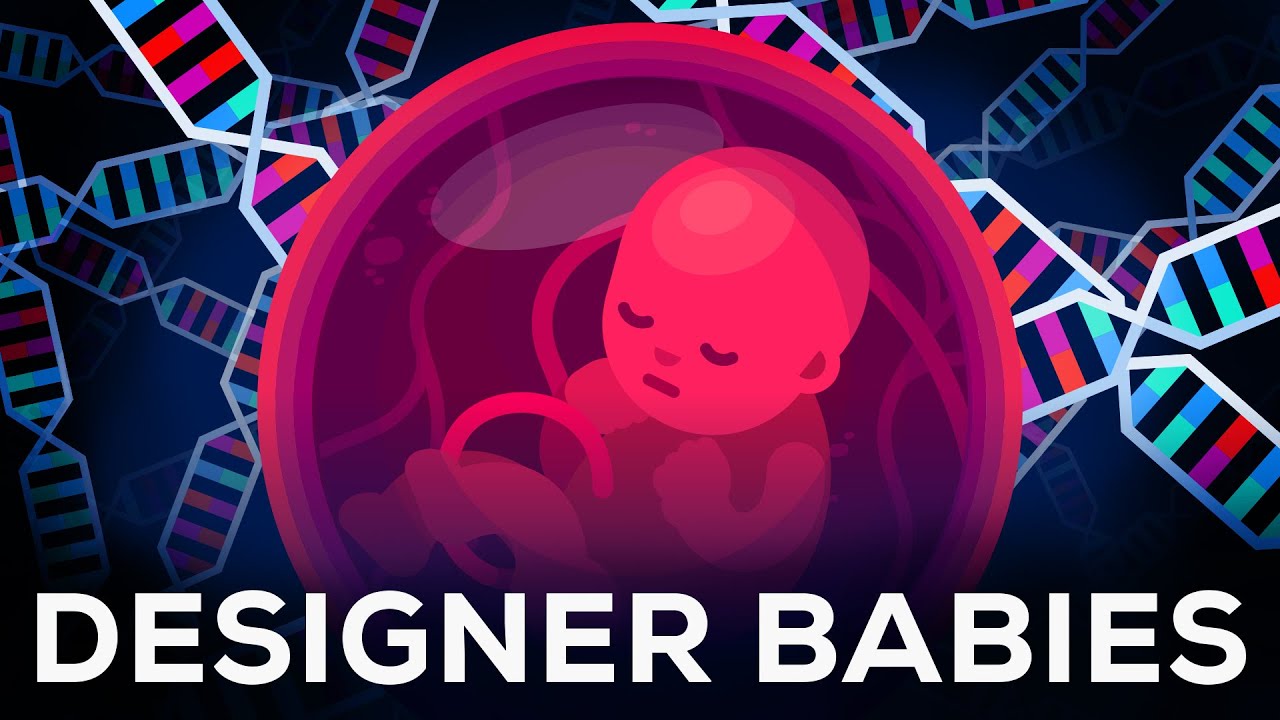
Gene editing is the modification of DNA. The traditional method consists of using restriction enzymes to cut a specific sequence. This method is a precise way to add or remove DNA in an organism. However, scientists are starting to turn to a more efficient method using CRISPR. CRISPR lets scientists pinpoint the exact location for cutting instead of depending on the less accurate restriction enzymes alone. Gene editing has the power to save and enhance lives, changing biology for the better.
How Does it Work?
In gene editing, a donor's DNA is required to modify a host’s DNA. Scientists cut out malfunctioning pieces of the host's DNA that are causing mutations. Then, the donor's DNA is inserted to replace that specific sequence. This is considered to be a permanent change to the host's genetic information.
There are many different methods that allow this process to occur.



Watch Videos
Gene Editing in action
Hover over the Pictures to Learn More!
Transgenic Animals
Animals are bred with specificity to mimic human immune systems so data from pharmaceutical experiments can be as accurate as possible.
Transgenic Animals
GMOs
Modifying various plants enables toxicity levels to be pushed to a minimum, like strawberries and blueberries. This makes them safer to eat!
GMOs
Medical Procedures
Gene therapy, alongside chemotherapy, are a few of the methods used to save lives. Similarly, edited stem cells can regrow tissue, leaving no defects!
Medical Procedures
Education
Science students can learn biological processes by conducting experiments on gene modification for bacteria or plants.
Education

Issues


History
Innovators


